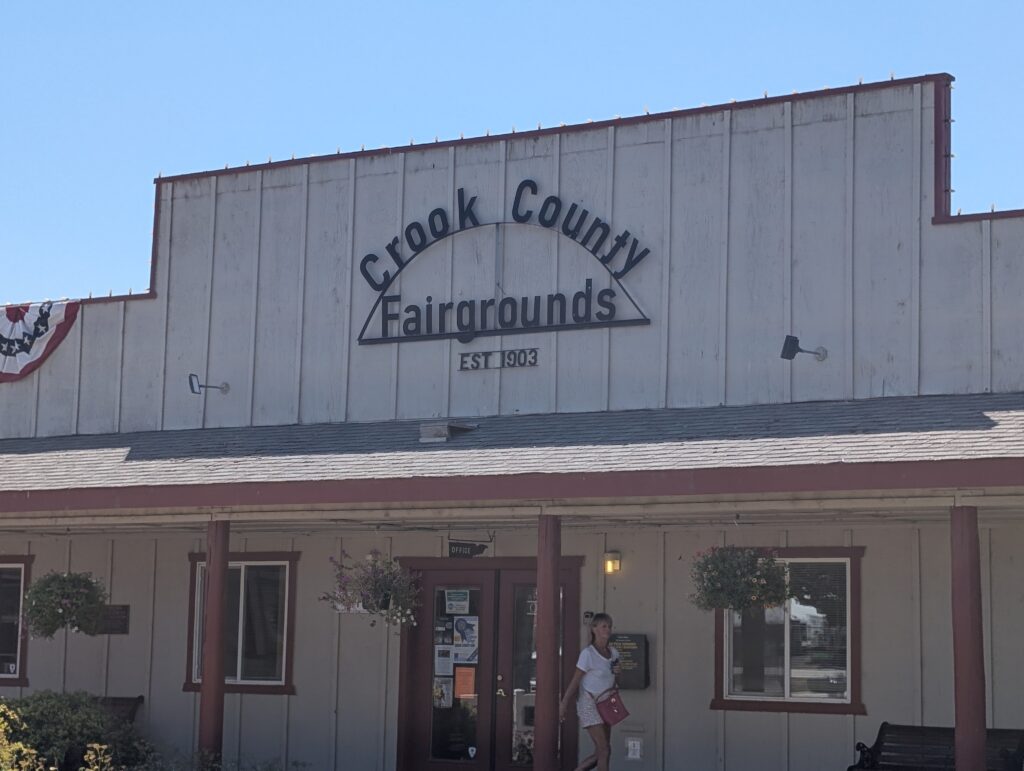
Prineville, Ore. — A Prineville Review investigation has identified what appears to be undocumented meetings by a Crook County Fair Board funding committee that discussed Fair Board business but, according to public records reviewed by the publication, left behind no publicly available meeting notices, agendas, minutes or recordings.
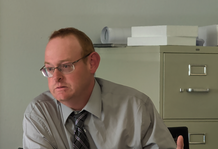
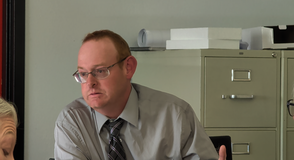
According to the Fair Board’s meeting minutes reviewed by the Prineville Review, the board established a three-member Funding Committee during its April 20th, 2026, meeting. The official minutes describe the body as a “Fair board committee” consisting of Fair Board members Casey Kaiser, Gail Merritt and Larry Blanton, and state that the committee would begin meeting May 7th, 2026, to discuss “how money will be spent.”
The issue also follows on the heels of contentious negotiations between the Fair Board and the Crooked River Roundup, as reported by our media partners at KTVZ News, negotiations that involved significant funding arrangements and grant funding issues. The Roundup is currently hosting its annual horse races through this weekend, having wrapped up its annual rodeo last month.
Fair Board agendas and meeting minutes reviewed by the publication further show the committee later provided reports directly to the Fair Board during regular meetings in May and June, rather than simply advising an individual board member or county employee. The committee’s work was included as part of the Fair Board’s official business during those meetings.
However, despite those references, the Prineville Review was unable to locate any public notices, agendas, minutes, recordings or other official records documenting the committee’s meetings after reviewing publicly available county records.
In addition, the Fair Board was required to provide notice of its meetings to the Prineville Review since 2024.
The apparent lack of publicly available records raises questions over compliance with Oregon’s Public Meetings Law. Oregon law generally requires governing bodies—and committees established by governing bodies that exercise delegated authority or make recommendations to the governing body—to provide public notice of meetings and maintain meeting records.
The issue raises a few more eyebrows as the committee’s three reported members all bring extensive experience in local government.

Kaiser currently serves as Prineville’s Assistant City Manager, Merritt served on the Prineville City Council from 2009 through the end of 2024, and Blanton served as Deschutes County Sheriff from 2007 to 2015. Kaiser and Merritt also served on the Fair Board during the 2024 appointment process that resulted in Blanton’s appointment and the earlier public meetings controversy previously reported by the Prineville Review.
New issue builds on earlier Fair Board meetings’ law violations
The questions surrounding the Funding Committee are not the first time the Fair Board has faced scrutiny over Oregon’s public meetings requirements.
In late 2024, the Prineville Review reported findings that the Fair Board violated Oregon law during the process used to fill what ultimately became Larry Blanton’s seat on the board. The Fair Board was found to have used an illegal executive session while interviewing candidates for the vacancy, which is prohibited under Oregon law.
Following those reports, Crook County acknowledged violations of Oregon Public Meetings Law during the executive session process and directed the Fair Board to restart the appointment process.
The Fair Board initially declined to restart the process, creating a public disagreement with the Crook County Board of Commissioners before later reversing course and beginning a new appointment process that ultimately resulted in Blanton joining the board. The Crook County Commissioners made clear at the time that they would not provide any recommendations unless they restarted the process to ensure transparency.
Countywide Transparency Initiative
The Fair Board questions also arise following broader transparency efforts undertaken by Crook County over the past year.
During separate Prineville Review reporting in 2024 into ethics questions surrounding private business dealings between Crook County officials and the U.S. Forest Service, this publication identified concerns involving the Crook County Natural Resources Advisory Committee (NRAC), another advisory body operating under the Board of Commissioners. That reporting raised questions about NRAC subcommittee meetings being conducted outside public view, without the notice and transparency generally required by Oregon Public Meetings Law.
Related reporting also examined the County’s handling of associated public records requests. The Oregon State Public Records Advocate later concluded portions of the County’s handling of those requests did not comply with the Oregon Public Records Law, prompting them to reverse course as well.
Those issues were followed by a countywide public transparency initiative spearheaded by Commissioner Seth Crawford. The initiative included updated public records policies, revised expectations for county boards and committees regarding compliance with Oregon’s public meetings laws, and the public release of internal guidance intended to improve transparency across county government.
Under ORS 192.700, members of Crook County’s governing bodies are also required to complete Oregon Government Ethics Commission-approved Public Meetings Law training.
Legal action to stop public meeting violations by the County’s Fair Board
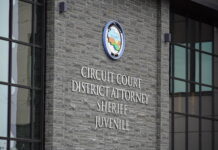
Following the publication’s review of Fair Board records and the issues identified during that investigation, this reporter filed a complaint in Crook County Circuit Court earlier this week seeking declaratory and injunctive relief against Crook County and the Fair Board.
The complaint does not seek monetary damages. Instead, it asks the court to find that the Funding Committee was subject to the Oregon Public Meetings Law and that its meetings violated state transparency laws, including its failure to provide required notice to a representative of the news media. Among the issues is the complete failure by the district to provide notice about any of the Funding Committee meetings.
The complaint also asks the court to permanently prohibit the Fair Board and any of its subcommittees from conducting future meetings in violation of Oregon Public Meetings Law and to require current Fair Board members and county personnel involved in Fair Board meetings to complete—or re-complete, if appropriate—Oregon Government Ethics Commission public meetings training unless they have already done so during the pendency of the litigation.
As of publication, Crook County had not filed a response and will have an opportunity to answer the complaint, but has 30 days.
When asked to see if the Fairgrounds or any Fair Board member wanted to make any statement, a Fairgrounds official stated “no comment”.
This is a developing story we will keep you updated on.
Mr. Alderman is an investigative journalist specializing in government transparency, non-profit accountability, consumer protection, and is a subject matter expert on Oregon’s public records and meetings laws. As a former U.S. Army Military Police Officer, he brings a disciplined investigative approach to his reporting that has frequently exposed ethics violations, financial mismanagement, and transparency failures by public officials and agencies.